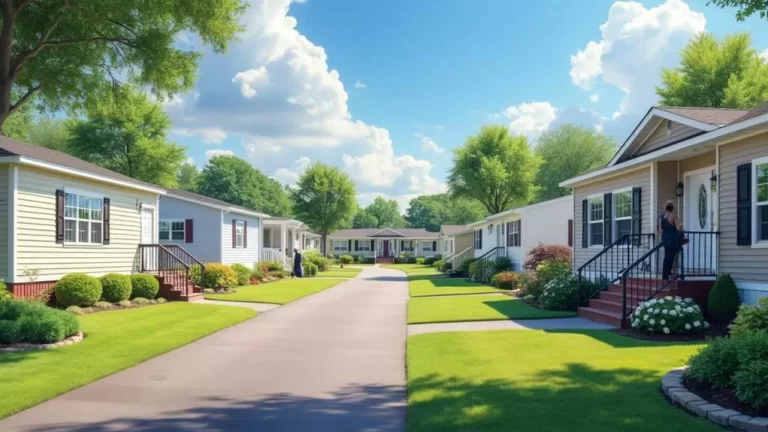
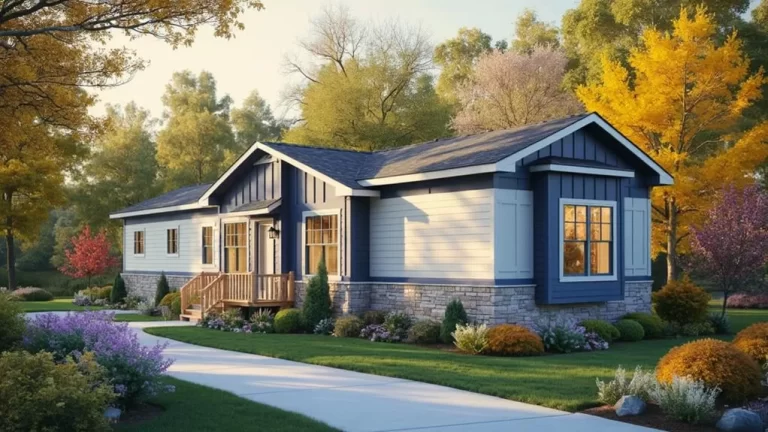
When selling your manufactured home in an urban area, comparing prices is important for maximizing resale value. First, research local market trends to understand demand and price dynamics. Locate recently sold properties with similar characteristics to determine market value. Consider factors such as location, customization, and size that impact mobile home pricing. Don't overlook regional preferences, site preparation costs, and local market trends. HOA fees, if applicable, can also influence the sale. By understanding these factors, you can tailor your pricing strategy to attract more potential buyers. Continue analyzing these key factors to refine your pricing strategy and increase your chances of a successful sale.
Key Takeaways
- To effectively compare prices in urban areas, research recent sales data for similar homes to understand demand dynamics and gauge market value.
- Tailor pricing strategies based on market conditions, considering both supply and demand in the local real estate market.
- Ensure your list price reflects accurate local market trends by monitoring local seasonal changes and demand.
- Compare listing and closing prices to identify market tendencies, such as whether homes are selling above or below asking price.
Resale Value of Manufactured Homes
When considering the resale value of manufactured homes, an important aspect is that they often have a relatively low resale value compared to site-built homes, but there are trends suggesting they can appreciate at similar rates if they include the land. This can greatly impact market demand and ultimately, the price you can sell for.
The age of the home is a substantial factor. Generally, manufactured homes over 20 years old tend to hold little to no value. However, if you have a newer model or have maintained your current home through renovation and upkeep, you can expect a higher resale value. In particular, the exterior appeal of your home can make a significant difference in its resale price.
Additionally, manufactured homes with land attached to them—like site-built homes—can appreciate similarly, making them a more attractive resale option. Keep in mind that the condition of the home, including the quality of its exterior features, notably affects resale value.
Understanding Local Market Trends
To gauge the demand and price potential for a particular manufactured home, it's essential to analyze the current state of the local real estate market. Start by researching recent sales data for similar homes in the area, focusing on the most significant factors such as location, size, and age. This will help you understand the demand dynamics at play, including the number of active buyers and the time it takes to sell properties.
Next, analyze the local supply situation, including the number of available homes and any new developments in the pipeline. Compare these factors to the number of potential buyers to determine if the market is favoring sellers or buyers. Understanding these dynamics will help you tailor your pricing strategies effectively, ensuring you set a competitive price that attracts the right buyers.
Additionally, consider the seasonality of the market. Prices may rise or fall based on seasonal changes in demand. Keep an eye on local trends, such as nearby construction projects or infrastructure developments, that can either boost or dampen demand. By monitoring these factors, you'll get a thorough view of the local market, providing you with a solid foundation to price your manufactured home strategically.
Researching Comparable Sales

Researching comparable sales involves locating recently sold properties with similar characteristics to your manufactured home, such as location, size, and age, to accurately determine its market value. This key step empowers you to make informed decisions about pricing your property competitively.
By effectively using neighborhood comparisons and astute pricing strategies, you can guarantee that your home stands out in the market while attracting potential buyers.
To perform a thorough analysis, you need to find comparable properties in the same neighborhood, focusing on features like the same number of bedrooms and square footage. Recent sales data provides a solid foundation for pricing your manufactured home correctly.
Be prepared to factor in specific factors around the housing stock in your area, ensuring that your list price reflects the local market trends accurately. By doing this, you'll be able to set a list price that potential buyers will take seriously, maximizing the chances of a quick and profitable sale.
Mobile Home Pricing Variations
When researching mobile home pricing variations, you'll quickly realize that location, customization, cost, size, and placement all play important roles in determining the final price tag.
For instance, newer mobile homes with advanced features and larger living spaces naturally command higher prices. Additionally, the location where you place your mobile home can greatly impact your overall costs, with urban areas often having higher land prices and rural areas being more budget-friendly.
Location Matters
You'll notice that the price of a manufactured home can vary noticeably across different regions, largely due to regional preferences for design, climate, and local construction materials. Location indeed matters when it comes to mobile home pricing, and factors such as land acquisition, transportation, and installation costs play a significant role in this variation.
For instance, manufactured homes in areas with relatively low land costs, like those in the Midwest, can be markedly cheaper than those in cities with higher land values like California or New York.
When developing pricing strategies, savvy buyers and sellers must factor in region-specific costs such as site preparation, utility setups, and local building permits. Conducting a thorough competitive analysis of local market conditions and consumer preferences will help you determine a reasonable and market-competitive price for your mobile home.
Customization – Cost
Multiple customization options and upgrades greatly influence the final cost of a manufactured home. When selling, it's important to take into account these factors, as they directly impact the asking price and overall appeal to potential buyers. Customization options range from exterior designs to interior features, significantly affecting the final cost.
One major pricing factor is the size of the home. Larger homes require more materials and labor, increasing the overall cost. The number of bedrooms and bathrooms also play a notable role, as more rooms translate to higher prices. Additionally, smart home features, energy-efficient appliances, and modern amenities can greatly enhance the value of your home.
Upgrading the skirting and adding a fresh coat of paint can boost curb appeal and attract more buyers.
If you plan to sell your manufactured home, it's crucial to grasp these customization options and pricing factors. This knowledge will help you set a realistic price for your home, balancing your financial expectations with the needs and preferences of buyers.
Size and Placement
Your mobile home's size, layout, and placement on the land have a significant impact on the final price, with factors like location and land preparation also contributing to the overall cost. For instance, larger homes with more intricate designs require more materials and labor, increasing their price. Additionally, the chosen location notably affects the cost of transportation, site preparation, and utility connections.
| Home Size | Average Price Range | Key Features |
|---|---|---|
| 12 ft x 60 ft | $30,000 – $45,000 | Compact living space, ideal for singles or couples |
| 14 ft x 70 ft | $45,000 – $65,000 | Comfortable two-bedroom layout with sufficient storage |
| 16 ft x 80 ft | $65,000 – $90,000 | Spacious three-bedroom home with additional interior design options |
To optimize storage and enhance curb appeal, consider integrating smart design elements into your mobile home. For instance, installing shelves or utilizing wall-mounted organizers can effectively make use of space. Interior design selections, like upgraded flooring and countertops, can elevate the home's value while improving its overall aesthetic.
Trailer Home Depreciation Factors

When it comes to resale value, it's important to recognize the various factors that influence the depreciation of a trailer home, particularly location, maintenance, and age. These factors greatly impact the price of your home when you decide to sell it.
Maintenance costs are crucial because they directly affect the condition of your mobile home. Regular maintenance helps reduce wear and tear, ensuring that your home remains in better condition and, as a result, retains more of its value.
The age factor also plays a significant role, as older homes tend to depreciate faster due to the natural aging process of parts and materials.
Additionally, market demand can influence the depreciation rate. If there's higher demand for mobile homes in your area, the resale value tends to increase. Conversely, low demand leads to reduced values.
Understanding the impact of these factors on your home's depreciation will help you set a competitive price and sell your trailer home faster.
Financing and Loan Considerations
In today's economic climate, obtaining the right financing for your mobile home purchase can be as important as finding the ideal location. When considering financing, two key elements are essential to your decision: down payment considerations and loan terms. These factors can greatly impact the entire financing process.
Choosing the right financing option is crucial to avoid financial strain. Here are some comparisons of different types of loan options:
| Loan Type | Average Interest Rate | Typical Minimum Credit Score | Loan Terms |
|---|---|---|---|
| FHA | 7.32% | 500 | Up to 30 years |
| Fannie Mae | Varies | 620 | Up to 30 years |
| Freddie Mac | Varies | 620 | Up to 30 years |
| Chattel | 7.60% | 575 | Up to 20 years |
| Personal | 11.53% | 600 | Up to 84 months |
Moreover, understanding the interest rates associated with each option can also help you make more informed decisions. By weighing these factors, you can find financing that complements your financial situation and ensures a successful purchase.
Private Land Vs. Trailer Parks

After selecting the correct loan to finance your mobile home, the next important factor to ponder is the land where you'll install it.
Two options to ponder are purchasing private land or choosing a trailer park. Owning land can be a wise investment, as it tends to appreciate over time. Additionally, it allows for greater control over your property and the surrounding environment.
Trailer parks, on the other hand, can offer the affordability and community living you might be looking for. Many parks have HOA dues, which, while offering maintenance and amenities, can also restrict certain activities.
It's essential to weigh your priorities: do you want the financial benefits of land ownership or the convenience and social aspects of a trailer park community? Research local areas, compare costs, and contemplate the long-term implications for your lifestyle and finances before making a decision.
Location Impact on Resale Price
Your home's location greatly impacts its resale price, as proximity to desirable amenities and environmental features like scenic views, green spaces, and low noise pollution can boost its value.
When it comes to urban areas, understanding the impact of location is pivotal. The demand for properties in areas with strong job markets, quality schools, and convenient accessibility to public transportation, shopping, and entertainment arises because these elements contribute to a higher quality of life and resale value.
For example, being close to major highways, public transportation, and walkable spaces makes a property more attractive and consequently more expensive. Neighborhoods with beautiful views, attractive architecture, and historical significance also command higher prices.
While some residents may worry that new housing developments will negatively impact property values, studies have shown that thoughtful urban planning can preserve neighborhood character and even stabilize property prices.
In addition, having a well-planned urban infrastructure can attract businesses, talent, and investment, driving prosperity for its residents.
HOA Fees and Their Effect

When comparing prices in urban areas, you should factor in how HOA fees can shape the property market.
In neighborhoods with high HOA fees, such as $900 a month, you may need to ponder how these expenses impact your wallet and the long-term value of the property.
The distinct impact of HOA fees on pricing varies by location, so it's important to grasp these local differences.
Higher Fees
Homeowners association (HOA) fees, whose costs are heavily influenced by local inflation rates and cost-of-living expenses, can vary substantially depending on the location and services provided. When considering different urban areas, it's important to take these fees into account while developing your pricing strategies and conducting market analysis. Higher fees can directly impact urban demand, making some areas less competitive and shifting the focus of selling tactics.
For instance, Columbia, Maryland, has a unique HOA fee structure based on the assessed property value. This fee covers not only typical maintenance and amenities but also extensive open spaces, recreational facilities, and community services. Comparing prices effectively requires understanding the costs involved. Use cost of living indexes and calculators to gauge how much a relocation might affect your expenses and adjust your selling strategies accordingly.
Higher HOA fees can be a deciding factor for many buyers. It's important to factor them in when setting your property's price and promoting it to potential buyers. By understanding these costs and their impact on the market, you can develop targeted pricing strategies that account for urban demand and maximize your chances of a successful sale.
Location-Based Variance
Relocating to a particular area might result in higher homeowners association (HOA) fees based on specific local costs and services provided, which impacts your overall cost of living and property pricing strategies.
HOA fees significantly influence urban pricing compared to rural areas. Cities tend to have higher HOA fees due to the range of services and amenities they offer, such as sanitation, security, and community facilities. On the other hand, suburban areas generally have lower fees as they often provide limited community services.
When comparing city vs. suburb pricing, it's essential to take into account these location-based differences. Understanding the specific HOA fees and services included can help you align your budget and investment strategy.
For instance, if you value access to high-end amenities and nuanced public services, higher HOA fees in urban areas might be justified. However, if you prioritize lower costs and fewer community services, suburban areas could provide the better option.
Knowing these distinctions enables you to make informed decisions about where you choose to live and the investments you make in your property.
Amenities and Their Value
Changes in the housing market highlight how location amenities greatly impact property prices and population growth. When deciding on a place to live, people weigh the importance of services and amenities. To understand the price differences between locations, consider these factors:
| Amneity | Community Benefits | Proximity Value |
|---|---|---|
| Schools | Increased property value and rental yields | Higher prices near top-rated schools |
| Parks & Recreation | Improved mental and physical health | Higher prices near green spaces |
| Public Transportation | Convenience and job accessibility | Higher prices near bus stops and train stations |
| Grocery Stores & Markets | Easy access to essential supplies | Higher prices near grocery stores and local markets |
| Healthcare Facilities | Convenience, quality of life | Higher prices near quality healthcare facilities |
The proximity of these amenities directly affects property prices. By understanding the value of these services, homeowners can effectively market their properties to potential buyers.
Negotiation Strategies for Sellers

When negotiating property prices, you need to be strategic.
You can set the tone by making the first offer, ensuring that you're more in control of the bargaining zone.
Additionally, consider using rational calculations to avoid emotional traps that could impact your long-term satisfaction with the transaction.
Making the First Offer
To improve negotiation outcomes, sellers should make the initial proposal if they've a clear understanding of the market, as it allows them to establish an anchor that can guide the entire negotiation. This may be particularly effective in urban areas where there's extensive data on recent listings and sales. A comparative market analysis provides the necessary information to set the appropriate asking price, creating a strong anchor for the negotiation process.
When making the first offer, it's essential to take into account the pricing psychology of potential buyers. Setting boundaries and being mindful of your own non-negotiables will help you maintain control over the negotiation. Expect counter offers, and be prepared to negotiate effectively.
Using anchors can also give you an advantage. For example, instead of setting a rounded offer like $5,600, consider a precise number like $5,630. This can create the impression that the price is thoughtfully calculated and more realistic. By setting the initial proposal and anchoring it effectively, you can achieve a better sale price and improve your overall negotiation results.
Avoiding Emotional Traps
You must learn to manage your emotions in negotiations to guarantee that feelings of anxiety, satisfaction, or stress don't affect your bargaining outcomes.
When selling in urban areas, understanding the psychology of pricing is key. Sellers often fall prey to emotional traps that sabotage their pricing strategies. One common pitfall is emotional attachment to a particular price, making it difficult to adjust or compromise. This attachment stems from a deep psychological connection to a specific figure, obscuring the rational evaluation of the market.
To avoid such traps, adopt a neutral seller mindset. Recognize that pricing is a balance between maximising profits and staying competitive. Instead of getting emotionally invested in a certain price, focus on offering value to the buyer. Be prepared to negotiate and adjust your offer accordingly.
Additionally, avoid the common mistake of trying to be the lowest-priced option. This can lead to buyers perceiving your product or service as inferior, ultimately impacting sales volume. Rather, highlight the unique benefits and quality of your offering to create a stronger emotional attachment between the buyer and your brand. By doing so, you can maintain a stable pricing strategy without compromising on value.
Finding Common Ground
Frequently, sellers may struggle to find common ground with potential buyers. It becomes important to acknowledge and address any underlying biases or hidden agendas that may be impacting the negotiation. Key to success is understanding that these biases can influence how people respond and behave during the negotiation.
| Pricing Strategies | Market Analysis |
|---|---|
| Urban Areas | Higher housing prices; higher demand |
| Rural Areas | Lower housing prices; lower demand |
| Urban vs. Rural Comparisons | Identify target demographics; tailor pricing accordingly |
| Market Momentum | Strongest equity growth typically seen in urban areas |
For instance, if a seller recognizes that a buyer's objection to a price is rooted in a fear of overpaying due to past experiences, the seller can structure an argument to alleviate those fears. By engaging in constructive dialogue and active listening, sellers can successfully move negotiations forward and find mutually beneficial solutions. This type of collaborative effort leads to more stable agreements that can benefit both parties long-term.
Current Market Conditions
Market indexes, including the Dow Jones Industrial Average, the Nasdaq Composite Index, and the S&P 500 Index, have trended downward in recent trading sessions, indicating a volatile period for global markets amid economic concerns. These uncertainties impact urban areas, affecting property prices significantly.
As you navigate selling your home in today's market, it's essential to understand current urban pricing trends and market conditions.
To help you set the right price for your property, consider the following points:
- Understand the urban-rural continuum: Cities in developing countries are witnessing rapid urbanization, leading to changes in property values. Make sure you grasp this shift to make informed decisions about your home's value.
- Inflation and COVID-19 impact: The pandemic created disruptions in urban economic growth, influencing local real estate markets. Keep these effects in mind when pricing your property.
- Capture the Degree of Urbanization: New harmonized definitions provide better insights into urban trends, helping you make more accurate comparisons and pricing decisions.
- Identify optimally priced comparables: Don't overprice your home; find houses similar in age, size, condition, and location to gauge the right price.
Frequently Asked Questions
Are City Water and Sewage Connections Typical in Urban Manufacturing Areas?
'Typically, you'll find city water and sewage connections common in urban manufacturing areas. Ensuring infrastructure availability is essential for industrial zones, as utility costs and strict environmental regulations apply.'
How Do Local Market Conditions Affect the Cost of Living Index?
You need to take into account housing affordability and economic development when evaluating local market conditions, which greatly influence the cost of living index, impacting how far your money stretches in that area.
Can Emphasizing Community Amenities Impact Urban Property Resale?
Emphasizing community amenities like parks, reliable transportation, trendy restaurants, and a lively nightlife can definitely boost your urban property's resale value, as these perks make your area more attractive and desirable.
What Is an Acceptable Crime Rate in Urban Neighborhoods?
"In urban neighborhoods, a generally acceptable crime rate is subjective. However, a rate where your chance of being a victim of violent crime is around 1 in 100 or less is often considered relatively safe. Prioritize crime prevention and neighborhood safety to create a more liberated community."
Are Public School Performance and Property Value Strongly Correlated?
In areas with high student achievement, real estate values soar. As you search for a new home, know that top-performing schools increase home values, with an average difference of $205,000 in the US's largest metro areas.