
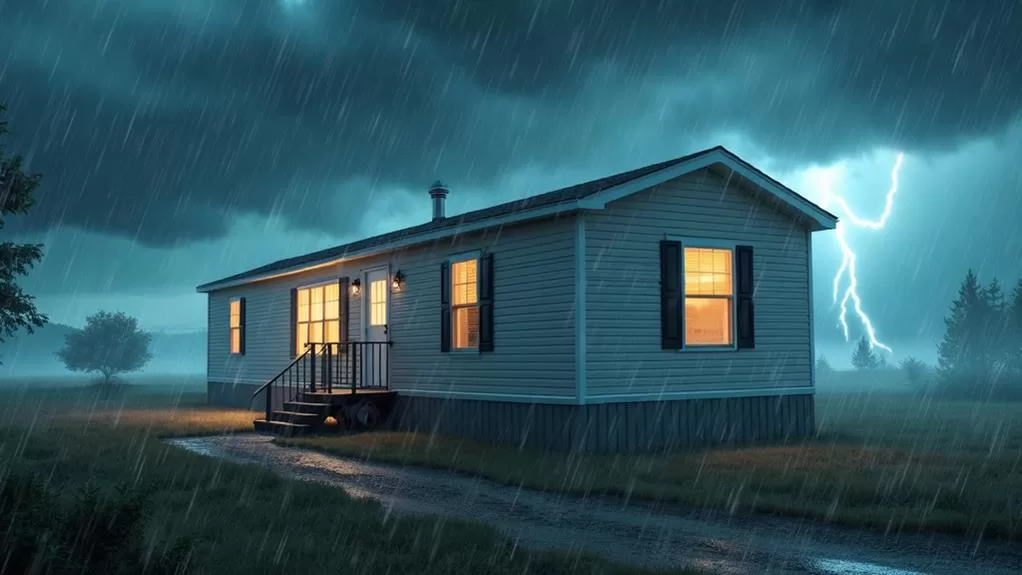
Modern mobile homes are built to withstand extreme weather, thanks to strict safety standards and wind zone requirements. We classify these homes into Wind Zones I, II, and III based on wind speed, with Florida homes typically meeting Wind Zone II or III standards. Proper anchoring systems, such as earth, concrete, or helical anchors, are pivotal for stability. Regular inspections and maintenance are crucial to safeguard the home's structural integrity, and securing outdoor belongings, reinforcing doors and windows, and inspecting tie-downs and gutters are indispensable steps. By following these guidelines, you can better protect your mobile home against severe weather conditions, and if you continue, you'll learn more about preparing for and responding to extreme weather events.
Key Takeaways
- Wind Zone Standards: Mobile homes are constructed to meet specific wind zone standards (I, II, or III) to ensure safety against extreme weather.
- Anchoring Systems: Proper anchoring, varying by wind zone, is crucial for stability and safety during severe weather conditions.
- Durability Testing: Rigorous testing and quality control checkpoints ensure mobile homes adhere to safety standards and withstand extreme weather.
- Outdoor Belongings and Reinforcement: Securing outdoor items and reinforcing doors/windows with impact-resistant materials helps prevent damage and safety risks[BACKGROUND].
- Regular Maintenance: Regular inspections and maintenance of tie-downs, roofs, and gutters are essential for maintaining structural integrity during extreme weather[BACKGROUND].
Understanding Mobile Home Construction
When it comes to understanding mobile home construction, it's essential to dispel common misconceptions and focus on the facts. Modern mobile homes are built with stronger building materials and higher construction standards, particularly after the devastating impacts of Hurricane Andrew in 1992. These homes are now constructed to meet specific wind zone standards set by the Department of Housing and Urban Development (HUD), guaranteeing they can withstand certain wind speeds.
For instance, manufactured homes in Florida must be built to either Wind Zone II or Wind Zone III standards. Zone II homes are designed to withstand sustained wind speeds of 100 mph, while Zone III homes can handle winds of 110 mph. These standards are crucial in areas prone to hurricanes, ensuring the homes are durable and safe.
Additionally, quality control checkpoints and inspections throughout the building process further guarantee the strength and safety of these homes. Proper installation and safety precautions, such as securing tie-downs and reinforcing the roof, are also essential for mobile homes to endure extreme weather conditions. By understanding these aspects, we can appreciate the strides made in mobile home construction, making them a reliable option for those seeking innovative and resilient housing solutions.
Safety Standards and Wind Zones
When it comes to withstanding harsh weather conditions, modern mobile homes are built to strict safety standards and wind zones. These standards, established by HUD, classify homes into three wind zones: Zone I for areas with winds up to 70 mph, Zone II for areas with winds up to 100 mph, and Zone III for areas with winds up to 110 mph.
It's important to utilize the NADA guide to determine the value of your mobile home, which can also provide insights into its structural integrity. Proper anchoring systems are crucial for mobile home safety, and each zone dictates the necessary anchoring and construction requirements to guarantee the home can endure the local wind conditions.
Wind Zone Standards
Manufactured homes are designed to withstand various wind conditions, categorized into three distinct Wind Zones. These zones are vital for guaranteeing the safety and structural integrity of these homes.
| Wind Zone | Wind Speed | Description |
|---|---|---|
| Wind Zone I | Up to 70 mph | Most lenient area, covering majority of the U.S. |
| Wind Zone II | Up to 100 mph | Areas prone to hurricanes, particularly along Gulf and East Coastlines |
| Wind Zone III | Up to 110 mph | Areas with frequent hurricane-force winds, including southern Florida and Hawaii |
The Wind Zone standards dictate the level of protection against extreme weather events like hurricanes and tornadoes, ensuring the durability of manufactured homes. Anchoring systems and construction methods vary based on the designated Wind Zone to guarantee structural integrity and safety during high winds. For instance, homes in Wind Zone III are built to withstand higher wind speeds and are typically more secure against severe weather conditions. Understanding and adhering to these Wind Zone standards is essential for both manufacturers and homeowners to guarantee their homes are equipped to face various wind conditions.
Anchoring Systems
Anchoring systems play an important role in guaranteeing the safety and stability of mobile homes during extreme weather conditions. These systems are designed to prevent damage and guarantee resident safety, particularly during high winds associated with hurricanes and tornadoes. The type of anchoring system required often depends on the wind zone in which the mobile home is located, categorized as I, II, or III, each dictating a specific level of anchoring to withstand high wind speeds.
Proper anchoring is essential as it significantly reduces the risk of wind uplift and overturning. Mobile homes, being lightweight structures, are more susceptible to being moved or damaged by severe weather. Anchoring systems, such as earth anchors, concrete anchors, and helical anchors, provide the necessary stability and protection, ensuring the home remains secure even in adverse conditions.
In regions prone to high winds, specialized anchoring systems are important. For instance, in areas like Florida, tie-downs are specifically designed for the local soil conditions, using metal rods driven into the ground to secure the home firmly.
Regular maintenance, including inspections and adjustments to the tension devices, is also important to guarantee the anchoring system continues to provide maximum protection. By investing in a robust anchoring system tailored to your wind zone, you can enhance your mobile home's ability to withstand extreme weather events.
Durability Testing
To validate the safety and stability of mobile homes, durability testing is crucial, particularly when it comes to adhering to safety standards and wind zones. Today's manufactured homes undergo rigorous durability testing to verify they meet or exceed local building codes and HUD guidelines. This process involves thorough inspections at every step of the building process, from the initial construction to the final installation.
Quality control checkpoints are integral to this testing, ensuring that all building materials and construction techniques adhere to strict standards. Post-Hurricane Andrew, the industry has developed stronger building materials and higher construction standards, enhancing the durability of mobile homes. These homes are now built to withstand extreme weather conditions, with Wind Zone III homes capable of enduring gusts around 130 mph, Zone II homes enduring gusts around 120 mph, and Zone I homes enduring gusts around 97 mph.
The use of advanced materials and precise construction in a controlled environment further supports the homes' ability to withstand harsh weather. By implementing these measures, we can validate that our mobile homes aren't only safe but also resilient in the face of extreme weather conditions. This commitment to durability testing and quality control makes modern mobile homes a reliable and sturdy housing option.
Preparing for Hurricanes

Preparing for hurricanes is important if you live in a mobile home, given the inherent risks these structures face in severe weather. While modern mobile homes are built to withstand hurricanes with stronger materials and construction methods, proper installation and safety precautions are still necessary for their durability.
To guarantee our mobile homes can withstand extreme weather, we must focus on several key areas. First, secure your home's tie-downs, as these are crucial in preventing the home from overturning or sliding during strong winds.
Next, reinforce all doors, windows, and vents. Installing hurricane-resistant windows or using removable shutters and plywood can protect against wind and debris.
Additionally, we need to inspect and reinforce our roofs, making sure all shingles are securely fastened and roof flashing is in good condition. External elements like carports and outdoor furniture also pose risks, so securing or removing these items is important.
Preparing our interior is equally significant. Securing furniture, appliances, and heavy objects prevents them from becoming projectiles, and using child safety locks on cabinets helps keep contents from spilling out. By taking these steps, we can greatly improve our mobile home's ability to weather the storm, ensuring our safety and the durability of our homes.
Securing Outdoor Belongings
Securing outdoor belongings is an essential step in safeguarding our mobile homes during extreme weather. High winds can turn loose items into dangerous projectiles, causing damage to our homes and posing a significant safety risk. To protect our mobile homes and guarantee stable income, we need to take proactive measures.
Here are three key steps to secure our outdoor belongings:
- Bring items indoors: Move lightweight outdoor furniture, garden tools, toys, and other loose items inside the house or garage when severe weather is forecasted.
- Use anchors and tie-downs: For larger items that can't be brought inside, use anchors or tie-downs to secure them firmly to the ground. This includes patio furniture, grills, and lawn equipment.
- Weight and cover: If items can't be secured indoors, consider weighting them down with sandbags or using hurricane straps. Covering items with waterproof covers can also help protect them from the elements.
Reinforcing Doors and Windows

To reinforce our mobile home's defenses against extreme weather, we need to focus on securing the windows and doors.
Impact-resistant windows and doors, made from materials like metal or aluminum, can withstand strong winds and flying debris during storms.
We can also install removable storm shutters or use plywood protection to provide an additional layer of defense against severe weather conditions.
Secure Windows and Doors
When it comes to enduring severe weather, our mobile home's windows and doors are the first lines of defense. To guarantee they can withstand the forces of nature, we need to focus on securing them properly.
Key Steps to Secure Windows and Doors
- Utilize Impact-Resistant Materials: Reinforcing windows and doors with impact-resilient materials can greatly enhance their durability against extreme weather conditions like hurricanes and tornadoes. Materials such as metal or fortified glass can make a significant difference.
- Proper Sealing: Correctly sealing windows and doors can prevent water infiltration and damage during storms, preserving the structural integrity of the mobile home. Regular maintenance and inspection help identify any weaknesses or vulnerabilities.
- Additional Locking Mechanisms: Installing extra locking mechanisms on windows and doors can boost security and prevent them from being blown open by high winds. This includes adding deadbolts and other secure locks to doors and using dowels or jammers in sliding doors and windows.
Upgrading to high-quality, storm-resilient windows and doors can provide better insulation and protection against wind-driven debris. By taking these steps, we can significantly enhance the overall safety and security of our mobile home during severe weather events. Regular maintenance and inspections are essential to maintaining this security, ensuring our home remains safe and secure.
Install Removable Shutters
Installing removable shutters is a vital step in reinforcing the doors and windows of our mobile home, providing an additional layer of protection against severe weather conditions. These shutters are designed to safeguard our manufactured homes from high winds, flying debris, and potential damage during storms. Properly securing doors and windows with shutters can help prevent structural damage and maintain the integrity of our homes.
Removable shutters offer a cost-effective way to enhance the safety and durability of our mobile homes during extreme weather events. They're easy to install and can be put up quickly when severe weather is forecasted. When installed correctly, shutters can greatly reduce the risk of window and door damage, protecting the interior of our homes from water and debris.
To guarantee maximum protection, it's important to consult with a professional to ensure the shutters are installed properly. This ensures that the shutters are securely fastened and can withstand extreme weather conditions, providing us with peace of mind and added protection for our homes.
Use Plywood Protection
Using plywood to protect our mobile home's doors and windows is a straightforward yet effective way to bolster their resilience against extreme weather. This method provides an extra layer of protection against high winds and flying debris, which can greatly reduce the risk of structural damage and water intrusion.
Here are three key points to bear in mind when using plywood protection:
- Secure Fastening: Plywood must be firmly fastened to the doors and windows to provide structural support. This guarantees that the plywood remains in place even under intense winds.
- Proper Installation: The plywood should be cut to fit the doors and windows, leaving enough space for secure fastening. This helps prevent the plywood from being blown away or damaged during storms.
- Cost-Effective: Using plywood is a cost-effective way to enhance the resilience of our mobile home against extreme weather conditions. Although not the most durable option, it's easily accessible and can be a quick solution in emergency situations.
Properly installed plywood can help minimize the risk of damage to our mobile home, making it an essential part of our extreme weather preparation. By following the correct installation steps, we can ensure that our doors and windows are better protected, reducing the risk of water intrusion and structural damage.
Inspecting and Securing Tie-Downs
Examining and securing tie-downs is a critical step in guaranteeing our mobile homes can withstand extreme weather conditions. Mobile homes, being more vulnerable to high winds and storms than traditional site-built homes, rely heavily on tie-down systems to prevent displacement and damage. These tie-down systems, comprising ground anchors and heavy-duty straps, are designed to stabilize the home during severe weather events.
Proper examination of these tie-down systems ensures they're in good condition and able to endure severe weather. An examination verifies that the number and type of straps comply with current building codes, that anchors are firmly installed without signs of lifting or wear, and that straps are tight and free from kinks or corrosion.
Regular maintenance and reinforcement of tie-downs are essential for mobile home safety and stability, as inadequate or damaged tie-downs increase the risk of home damage or displacement during extreme weather events.
Maintaining Roof Integrity

Maintaining the integrity of your mobile home's roof is vital for enduring extreme weather conditions. As manufactured housing owners, it's clear to us the significance of a sturdy roof that can handle various weather conditions, from heavy rains to intense hailstorms.
Here are three key actions to make sure your roof remains intact:
- Regular Inspections: Conduct inspections at least twice a year to check for signs of damage like cracks, blisters, punctures, and loose shingles. Early detection helps prevent minor issues from evolving into major problems.
- Quality Materials: Invest in high-quality roofing materials that are designed to withstand extreme weather. Impact-resistant materials, such as metal roofs or rubber slate tiles, can offer added protection against hail, debris, and other external elements.
- Clear Debris: Regularly clear debris from the roof and gutters to prevent water buildup and potential leaks. This maintenance task is essential for preserving your mobile home's structural integrity.
Clearing Gutters and Downspouts
Clearing gutters and downspouts is a crucial part of maintaining your mobile home's roof integrity, especially after conducting regular inspections and selecting quality materials. For manufactured housing, proper gutter maintenance is vital to withstand severe weather conditions. Clogged gutters can result in water accumulation on the roof, leading to water damage, leaks, and potential structural problems. This is particularly risky during heavy rainfall, as water can gather under the roofing, harming shingles, underlayment, and decking, and eventually causing mold growth and leaks into your home.
Regular maintenance of gutters and downspouts guarantees proper drainage and shields your mobile home against water-related damage. Ignoring this task can heighten the risk of water infiltration and mold growth, jeopardizing the stability of your home. To prevent these issues, clean your gutters at least twice a year, once in the spring and once in the fall. This routine assists in avoiding obstructions, ensuring water flows freely through the gutters, and safeguarding your mobile home from potential water damage.
Emergency Supplies and Evacuation Plans

When extreme weather threatens, having the right emergency supplies and a well-thought-out evacuation plan can mean the difference between safety and disaster. To make sure you and your family are prepared, it's important to assemble an emergency kit with essentials like water, non-perishable food, medications, and first aid supplies.
Here are three key items to include:
- Water and Food: Stock at least one gallon of water per person per day and a three-day supply of non-perishable food.
- Medications and First Aid: Include enough prescription medications for at least a week and a complete first aid kit.
- Important Documents: Keep copies of insurance policies, identification, and other essential documents in a waterproof container.
In addition to your emergency kit, have a detailed evacuation plan in place. This should include designated meeting points and routes to safety. Stay informed about local weather alerts and evacuation orders to make timely decisions.
Practice evacuation drills with your family to ensure everyone knows what to do in case of extreme weather. This preparation will help you navigate emergencies with confidence and safety.
Frequently Asked Questions
Can You Survive a Tornado in a Mobile Home?
We cannot survive a tornado in a mobile home; they are highly vulnerable to extreme weather. For tornado preparedness, mobile home safety demands seeking refuge in storm shelters or traditional homes to guarantee resilience during severe storms.
Can a Mobile Home Withstand 100 Mph Winds?
We can't ensure our mobile home will withstand 100 mph winds without proper wind resistance measures. Built to Wind Zone II standards, it should endure such gusts, but reinforcement options and safety measures are essential to minimize potential damage.
Are Mobile Homes Safe in a Storm?
Mobile homes aren't entirely safe in storms, despite modern construction. We must focus on hurricane preparedness, flood prevention, and structural reinforcement, such as securing tie-downs and reinforcing doors and windows, to enhance safety.
How Do I Make My Mobile Home Storm Proof?
To make our mobile home storm-proof, we must reinforce its structure, establish proper anchoring methods, and strengthen the roof. Confirm tie-downs, install hurricane shutters, and use thick plywood for roof sheathing to protect against extreme weather.
Final Thoughts
To sum up, modern mobile homes are designed to withstand extreme weather, including hurricanes, thanks to strict HUD standards and quality construction. Ensuring your home is built to the proper wind zone, securely anchored, and well-maintained is essential. Regular inspections, securing outdoor belongings, and having emergency supplies can further enhance safety. By following these steps, you can greatly decrease the risk of damage and make your mobile home a secure place to weather any storm.


