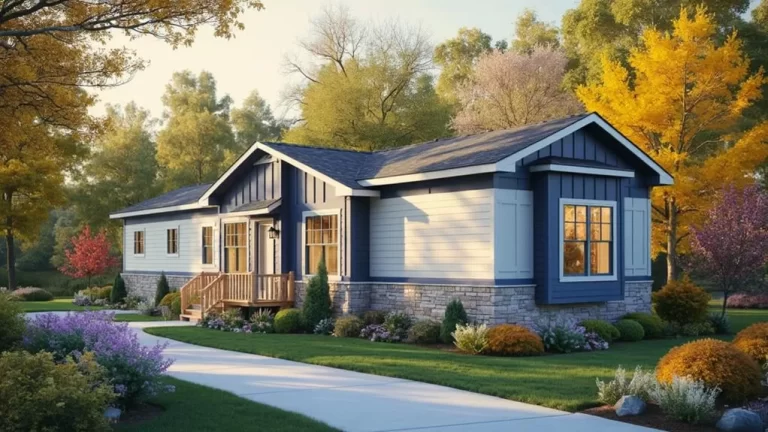
Flipping mobile homes presents several common risks. Unexpected repair costs can drastically cut into profits, so budget for surprises. Depreciation rates for mobile homes are higher than traditional homes, impacting long-term value. Location restrictions and zoning laws may limit where you can buy or improve a mobile home. Securing financing can be challenging, as some lenders view mobile homes as higher risk. Market volatility can affect the resale value, and staying legal is essential, with local regulations sometimes creating unexpected hurdles. By understanding these risks, you'll be better prepared to navigate the complexities ahead. Discover strategies to handle these challenges effectively.
Key Takeaways
- Unexpected expenses can significantly impact the budget and profitability of a mobile home flip.
- Market fluctuations and economic factors can affect the resale value and demand for mobile homes.
- Poor property condition, including structural issues, can lead to costly repairs and lower returns.
- Failing to comply with legal regulations and zoning laws can result in fines or project delays.
- Negative reputation and poor customer service can harm future business opportunities and referrals.
Unexpected Repair Costs
Flipping mobile homes can seem like a promising venture, but unexpected repair costs can quickly derail your plans. Manufactured homes often hide issues beneath the surface, from structural problems to outdated plumbing or electrical systems. These hidden troubles can lead to significant, unforeseen expenses that eat into your budget and delay your project.
You'll likely encounter water damage, mold, or roof leaks—all of which can be costly to fix. Outdated systems might need complete overhauls, adding to your pivotal repair costs. If you're not prepared, these issues can strain your finances and diminish your profits.
To avoid these pitfalls, conduct thorough inspections and due diligence before purchasing any manufactured home. Identifying potential repair needs early on will help you plan better and avoid surprises. But even with the best planning, some issues will only become apparent once renovations begin.
That's why it's essential to budget a contingency fund. This reserve will give you the financial flexibility to handle unexpected repair costs without derailing your plans. By setting aside funds specifically for unforeseen expenses, you'll be better equipped to manage the risks and keep your mobile home flipping venture on track.
Depreciation Rates
When delving into the world of mobile home flipping, understanding depreciation rates is key for your financial success. Mobile homes typically depreciate faster than traditional homes, with annual depreciation rates around 3-5%. This means the value of a mobile home can decrease significantly over time, impacting your resale value and potential ROI.
Factors such as age, condition, and location play a substantial role in the depreciation rate of a mobile home. Older homes in poor condition will depreciate faster, leading to reduced resale value. This can result in financial losses if you're not cautious in your investment choices.
It's vital to assess the condition and age of a mobile home before making a purchase, as these will directly influence your returns.
Having a clear understanding of depreciation rates helps you create accurate budgets and pricing strategies. By factoring in potential depreciation, you can set realistic expectations for your ROI and avoid unforeseen losses.
Always consider the risks associated with depreciation when evaluating a mobile home flipping project. This proactive approach will help you make informed decisions and maximize your financial freedom in the mobile home flipping market.
Location Restrictions

Understanding location restrictions is vital when flipping mobile homes, as zoning laws can greatly impact your investment. Zoning restrictions dictate where mobile homes can be placed, which can directly affect your property's resale value and market demand. You'll want to pay close attention to these regulations to avoid potential pitfalls.
Many areas have strict placement regulations that limit your options for flipping opportunities. If you don't comply with location compliance requirements, you could face fines, legal issues, and even difficulty selling the property. This makes it important to stay informed about local zoning laws and regulations before you start your project.
Research is your best ally here. Immerse yourself in the specifics of the zoning restrictions in the area you're considering. Are there particular neighborhoods where mobile homes aren't allowed? Are there size or aesthetic requirements that you need to meet? Knowing these details in advance can save you a lot of headaches down the road.
In short, understanding and adhering to placement regulations and location compliance is crucial for a successful mobile home flipping venture. Make sure you do your homework to avoid costly setbacks and maximize your investment.
Financing Challenges
While zoning laws and location restrictions are significant obstacles, financing challenges represent another substantial barrier in the mobile home flipping landscape. Mobile homes often come with limited financing options because they depreciate faster and are perceived to have a lower value than traditional homes. This can make securing a loan tricky, especially if the home is older or located in a park with restrictive lending guidelines.
High interest rates and shorter loan terms are common for mobile home financing, raising the overall cost of your investment. These factors can eat into your profit margins, making it important to have a solid financing strategy. If traditional loans aren't feasible, you might need to explore alternative financing options such as personal loans, hard money lenders, or seller financing.
Your credit score will play a vital role in determining your eligibility and the terms you'll receive. A lower credit score can mean even higher interest rates and less favorable loan conditions. Sometimes, the financing challenges can lead to higher out-of-pocket expenses for renovations, which further reduces your potential profit. So, it's crucial to carefully assess all financing options before diving into a mobile home flipping project.
Market Volatility

Market volatility can greatly impact your mobile home flipping endeavors, leading to unpredictable price fluctuations and affecting your potential profits. Understanding how various factors contribute to this volatility is pivotal for managing risks and making informed decisions.
- Economic Conditions: Shifts in the economy, such as a recession or boom, can cause significant changes in housing prices. Mobile home values can rise or fall rapidly based on the broader economic landscape.
- Housing Market Trends: Trends in the housing market, including supply and demand dynamics, heavily influence mobile home prices. If the market is saturated with mobile homes, prices might drop, affecting your flipping returns.
- Interest Rates: Changes in interest rates can impact buyers' ability to finance mobile home purchases. Higher rates might reduce demand, leading to lower selling prices and affecting your margins.
- Buyer Preferences: Fluctuations in buyer preferences can also impact your success. Trends come and go, and what's popular today mightn't be tomorrow, leading to unpredictable price fluctuations.
To navigate market volatility effectively, closely monitor these indicators and be ready to adapt your strategy. Diversify your investments, conduct thorough market research, and stay informed about industry trends to mitigate risks and maximize your freedom in mobile home flipping.
Legal Compliance
Legal compliance is essential for anyone involved in mobile home flipping, as ignoring regulations can lead to severe consequences. You need to be aware of zoning laws, which dictate where mobile homes can be placed. Non-compliance can result in fines, project delays, or even forced removal of your mobile home. Make sure you verify the zoning regulations for your area before making any commitments.
Licensing requirements are another critical aspect. If you don't adhere to these, you could face legal action, penalties, or even find yourself unable to sell your flipped mobile home. Always check what licenses are needed in your state or locality.
Eviction laws also play a significant role, especially if the mobile home has existing tenants. Mismanaging evictions can lead to legal disputes and delays in your renovation or sale plans. Familiarize yourself with local eviction laws to avoid these pitfalls.
Property title issues, like unclear ownership or existing liens, can also create legal challenges. Ensuring a clear title will save you from future headaches. Lastly, keep an eye on changes in legislation, as new regulations can impact your flipping operations and profitability. Staying compliant protects your investment and guarantees smoother transactions.
Frequently Asked Questions
Is It a Good Idea to Flip Mobile Homes?
Yes, flipping mobile homes can be a good idea due to high market demand and profit potential. However, you should consider renovation costs and do thorough research to maximize returns and mitigate risks.
How Risky Is Home Flipping?
Home flipping carries risks like market fluctuations, unexpected repairs, and financing challenges. However, if you do thorough research, plan well, and stay adaptable, you can navigate these risks and potentially reap significant rewards.
What Is the 70% Rule in House Flipping?
The 70% rule in house flipping is your go-to flipping strategy. It guarantees you maximize investment potential by not overpaying. Pay no more than 70% of the ARV minus repair costs, aligning with market trends for profitable ventures.
What Are Some of the Special Dangers of Mobile Home Living?
You face safety hazards like high winds and storms. Structural issues such as rust and mold are common, leading to health risks. Environmental concerns, including poor insulation, can hike up utility costs, making mobile home living challenging.
Final Thoughts
When flipping mobile homes, you'll need to be prepared for unexpected repair costs, navigate depreciation rates, and deal with location restrictions. Financing can be a challenge, and market volatility may impact your returns. Ensuring legal compliance is also vital. By understanding these risks, you can make informed decisions and better manage your investment. Careful planning and thorough research are essential to mitigate these risks and increase your chances of success in mobile home flipping.