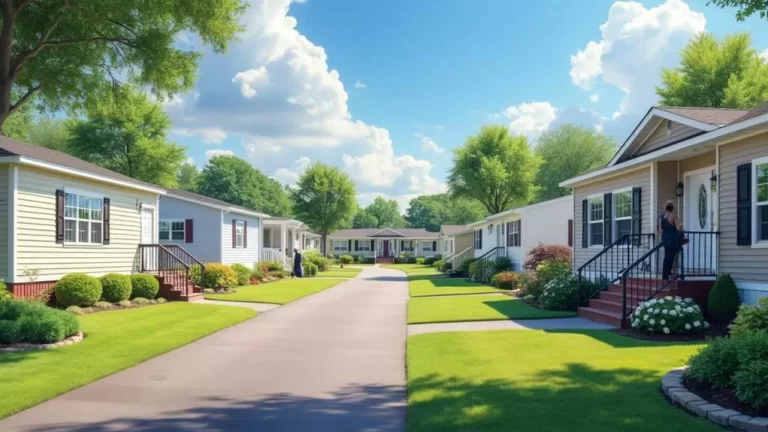
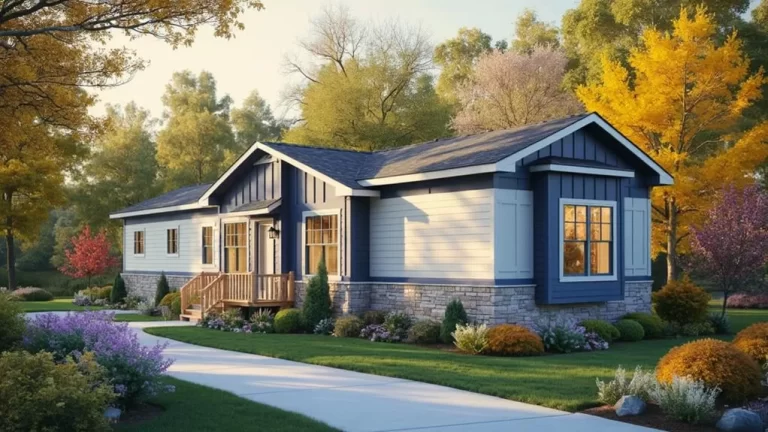
When flipping mobile homes versus traditional houses, there are seven key differences to ponder. Mobile homes need less upfront capital and offer lower renovation costs, making them entry-friendly. They cater to a niche market with high demand, ensuring quick turnover and high ROI. The flipping process is faster and less costly compared to traditional homes, which often need extensive renovations. Mobile homes, however, depreciate faster and offer unique but flexible financing options. On the other hand, traditional homes may yield higher profits but require more competition and financing options that suit higher investments. There's more to explore about these critical distinctions.
Key Takeaways
- Mobile homes have lower purchase and renovation costs compared to traditional houses.
- Mobile homes cater to a niche market, while traditional houses target a broader audience.
- Renovations for mobile homes are quicker and more economical than for traditional houses.
- Mobile home flipping offers higher ROI due to lower expenses and quick turnovers.
- Financing options for mobile home flipping include personal loans and seller financing, unlike conventional mortgages for traditional houses.
Upfront Capital Requirement
When it comes to upfront capital requirements, mobile home flipping undeniably has the edge over traditional house flipping. The primary reason lies in the lower purchase prices of mobile homes, making them far more affordable. If you're looking to break into the real estate investment market but are constrained by limited capital, mobile home flipping offers a cost-effective entry point.
Traditional house flipping demands a higher initial investment. You're not just buying the property; you also need to cover substantial renovation and holding costs.
In contrast, mobile home flipping requires lower renovation costs. This reduction in renovation costs contributes to the overall lower upfront capital needed, breaking down financial barriers that often deter potential investors.
Affordability isn't just a buzzword here; it's the cornerstone of why mobile home flipping stands out. Lower purchase prices and reduced renovation costs mean you can begin your real estate investment journey without the heavy financial burden typical of traditional house flipping.
Market Demand
Market demand plays a pivotal role in determining the success of any real estate investment strategy. If you're considering flipping mobile homes, you'll find they've a high demand due to their affordability and lower entry barriers for buyers. This niche market segment seeks cost-effective housing solutions, making mobile homes an attractive option for those who desire freedom from hefty mortgages and long-term financial commitments.
In contrast, traditional house flipping targets a broader market of buyers looking for larger, permanent residences. Although this market can be lucrative, it often faces more competition and higher purchase prices. The unique market demand for mobile homes provides investors with opportunities for quick turnovers and high profits, especially since these homes cater to a specific group of mobile homeowners.
Mobile homes offer a more accessible entry point into real estate investment, particularly for those looking to make swift and profitable sales. The high demand in this niche market segment can lead to faster deals and reduced holding costs. Investors keen on capitalizing on market demand trends should consider the benefits of mobile home flipping over traditional single-family homes.
Flipping Process

Understanding market demand highlights why investors might prefer mobile home flipping over traditional house flipping. The flipping process for mobile homes is often quicker and less burdensome. You can buy, renovate, and sell a mobile home in a shorter timeframe, making it attractive for those seeking speedy returns.
Mobile home flipping usually involves less extensive renovations, which means you'll spend less on improvements. Traditional house flipping often requires a larger investment in terms of purchase price, renovations, and holding costs. Here's what to take into account:
- Cost: Renovations for mobile homes are generally more economical.
- Space Efficiency: Mobile homes have a smaller footprint, requiring a focus on maximizing space and functionality.
- Resale Value: Factors like park location and community amenities play a noteworthy role.
- Holding Costs: You'll encounter lower holding costs with mobile homes.
The smaller footprint of mobile homes means you need to be strategic about space efficiency and functionality in your renovations. Park location and community amenities can have a notable impact on the resale value, so choose wisely.
Traditional house flipping, on the other hand, often demands more time and money but can offer higher returns. Both approaches have their distinct challenges and benefits, so your choice depends on your investment goals and risk tolerance.
Return on Investment
Return on investment (ROI) is a vital factor in deciding between mobile home flipping and traditional house flipping. Mobile home flipping typically offers a higher ROI due to lower purchase prices and renovation costs. These lower upfront expenses mean you can start your venture with less capital and potentially see quicker returns. The quicker turnaround associated with mobile home flipping allows you to reinvest your profits sooner, enhancing your overall financial freedom.
In contrast, traditional house flipping may require more upfront capital but can yield higher profits, especially in high-demand markets. The ROI for traditional house flipping is heavily influenced by factors like location impact and market demand. Prime locations or areas with increasing property values can notably boost your return, though this requires careful market research and timing.
Understanding the unique market dynamics and renovation needs of mobile homes is essential for maximizing ROI. While the renovation costs for mobile homes are generally lower, ensuring quality upgrades that meet market demand is crucial.
Both mobile home and traditional house flipping require an eye for detail and strategic planning to optimize your returns. Choose the path that aligns best with your financial goals and market opportunities.
Purchase Prices

When diving into real estate investing, one of the first things you'll notice is the stark difference between purchase prices of mobile homes and traditional houses. Mobile homes typically come with a much lower price tag, averaging around $70,600, compared to traditional houses, which average about $284,600. This significant gap in purchase prices makes mobile homes a more affordable option for many investors.
Here's a quick breakdown:
- Affordability: Mobile homes are far cheaper, making them accessible for those with less capital.
- Upfront Investment: Lower purchase prices mean you don't need as much upfront investment to start flipping mobile homes.
- Profit Margins: Because you're spending less initially, the potential for higher profit margins increases when flipping mobile homes.
- Real Estate Market Entry: Mobile homes offer an easier entry point into the real estate market for new investors.
Taking these factors into account, it's clear that mobile homes offer a unique advantage with regard to affordability and potential profit margins. Traditional houses, while potentially offering higher returns, require a larger upfront investment. This makes mobile homes an enticing option for those looking to invest in real estate without needing substantial capital.
Depreciation Rates
Depreciation rates play an important role in the long-term value of your real estate investments. When considering mobile home flipping versus traditional house flipping, understanding how mobile homes depreciate compared to traditional houses is pivotal.
Mobile homes typically depreciate at a faster rate due to lower quality materials and construction standards. On the other hand, traditional houses tend to hold their value better over time, making them a more stable investment.
Several factors influence the depreciation rate of mobile homes.
- Location is key; homes in desirable areas may depreciate more slowly.
- Age also plays a significant role; newer mobile homes tend to hold their value better than older ones.
- Maintenance levels are another vital factor—well-maintained mobile homes will lose value less rapidly than those neglected over time.
If you're looking to make informed decisions in real estate, you must consider these factors. The faster depreciation of mobile homes can impact your long-term value and potential profits. By understanding how different types of properties depreciate, you can make better choices about where to invest your time and money. Balancing these considerations will help you achieve the financial freedom you desire.
Financing Options

Diving into the world of financing options for mobile home flipping reveals a landscape quite different from traditional house flipping. Unlike conventional mortgages or hard money loans commonly used in traditional house flipping, mobile home flipping leverages more specialized financing options. Understanding these can set you free from the constraints of traditional financing, offering more flexibility and lower financing requirements.
Some key financing options for mobile homes include:
- Personal loans: These are unsecured loans that can be used for various purposes, including mobile home flipping. They often have faster approval times but may come with higher interest rates.
- Chattel loans: Specifically designed for mobile homes classified as personal property, these loans are secured by the mobile home itself, not the land.
- Seller financing: This flexible option allows the seller to finance the purchase, often making it easier for you to close deals quickly without traditional bank involvement.
- Cash payments: If you have the funds available, paying in cash can streamline the purchase process and give you a competitive edge.
In contrast, traditional house flipping typically relies on conventional mortgages and hard money loans, which mightn't suit mobile homes. By grasping these unique financing options, you position yourself for success in the mobile home flipping market.
Frequently Asked Questions
Are Mobile Homes Good Flips?
You'll find mobile homes offer great profit potential due to high market demand and lower renovation costs. With less time commitment, location advantages, and flexible financing options, they're attractive despite investment risks, resale value, and maintenance concerns.
What Is the Difference Between a Mobile Home and a House?
When comparing a mobile home and a house, consider size, construction materials, and mobility. Land ownership, resale value, financing options, renovation costs, market demand, zoning regulations, and long-term investment potential also differ substantially between the two.
What Is an Example of the 70% Rule in House Flipping?
To use the 70% rule, calculate profit margins by subtracting renovation costs from 70% of ARV. Consider market trends, financing options, location importance, selling strategies, potential risks, investor partnerships, time commitment, and competitive advantages.
Why Won't Home Flipping Work Anymore?
Home flipping won't work anymore because market saturation, rising construction costs, and decreased profit margins make it tough. Changing buyer preferences, increased competition, lack of inventory, regulatory challenges, economic uncertainty, financing constraints, and shifting market dynamics all add obstacles.
Final Thoughts
To sum up, flipping mobile homes and traditional houses each come with unique challenges and opportunities. Mobile home flipping generally requires less upfront capital and offers quicker turnaround times, while traditional house flipping can yield higher returns but involves more complex processes and higher costs. Understanding the key differences in market demand, purchase prices, depreciation rates, and financing options will help you decide which investment aligns best with your financial goals and risk tolerance.